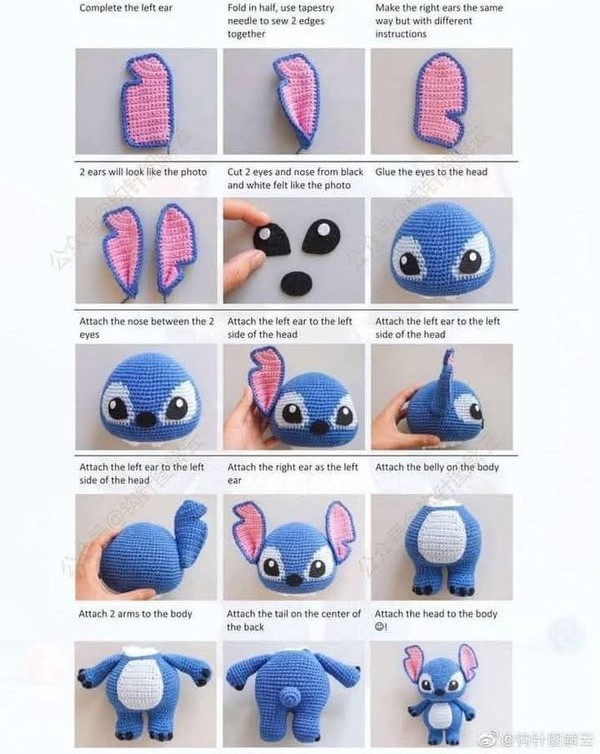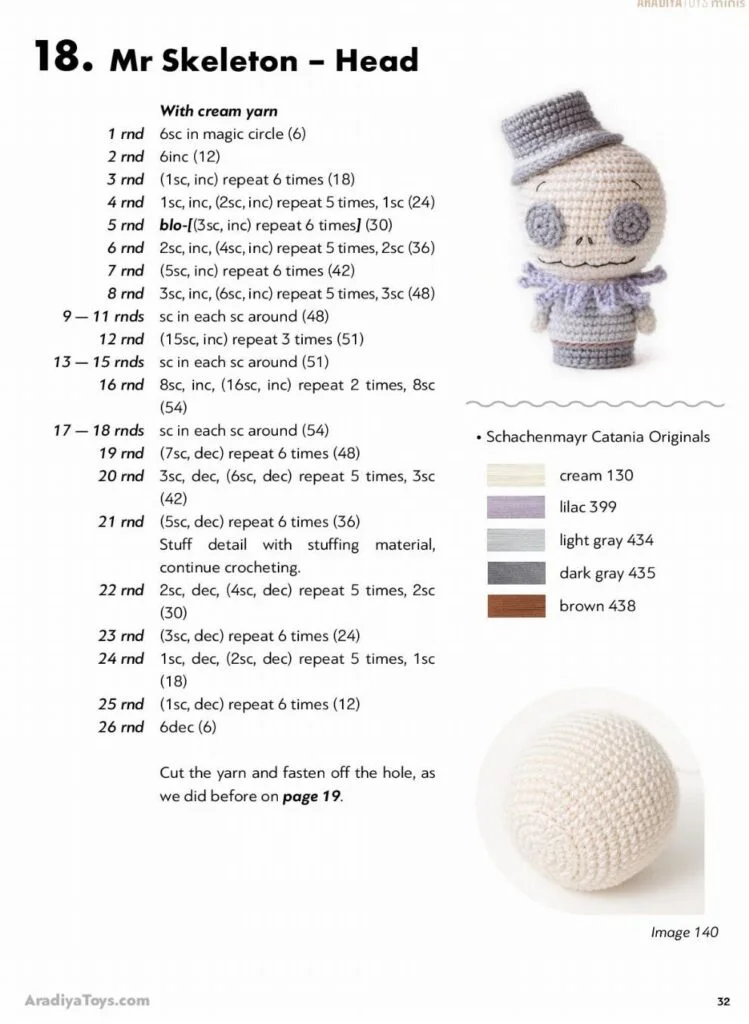
Mr. Skeleton Head in Amigurumi

CROCHET PATTERN – ASL I love you applique is more than just a decorative project; it is a heartfelt expression of creativity, inclusion, and handmade charm. In the world of crochet, appliques hold a special place because they allow crafters to personalize garments, accessories, and home décor with meaningful symbols. The ASL “I love you” hand sign is widely recognized and cherished, making it a powerful design choice for crochet enthusiasts who want to create something truly special. Whether you are a beginner or an experienced crocheter, understanding how to approach this pattern can elevate your crafting skills and inspire new ideas.
When working with a CROCHET PATTERN – ASL I love you applique, attention to detail is essential. The unique hand shape requires thoughtful stitch placement and careful shaping techniques to ensure the final piece is both recognizable and aesthetically pleasing. Crochet appliques are typically small projects, but they demand precision, patience, and creativity. By focusing on stitch consistency and using the right yarn weight, you can achieve a clean and professional result that stands out beautifully on any surface.
Creating a CROCHET PATTERN – ASL I love you applique also offers an opportunity to promote awareness of American Sign Language and celebrate inclusive communication. Handmade items carry emotional value, and incorporating the ASL “I love you” symbol into your crochet work adds deeper meaning to your creations. From baby blankets and tote bags to sweaters and wall hangings, this applique design can be adapted for countless projects. With the right techniques and thoughtful planning, you can transform simple yarn into a powerful message of love and connection.
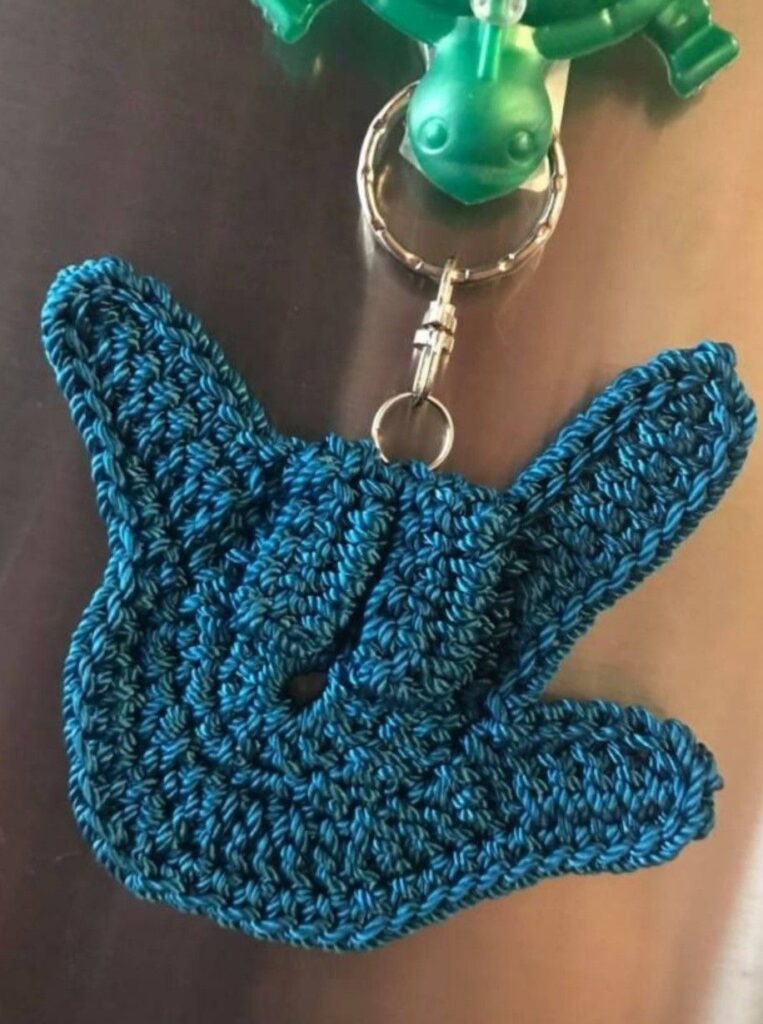
The CROCHET PATTERN – ASL I love you applique represents the hand sign that combines the letters I, L, and Y in American Sign Language. Visually, it features an extended thumb, index finger, and pinky finger, while the middle and ring fingers are folded down. Translating this shape into crochet requires careful structuring of stitches to form clear finger outlines and palm contours.
To begin understanding the pattern, it is important to break down the hand into sections. Most crochet appliques start with the palm as a foundation, often worked in rows or rounds. Once the base is established, individual fingers are formed using chains, slip stitches, and single crochet stitches. These smaller components must be proportionate to maintain the recognizable ASL gesture.
Yarn choice plays a critical role in shaping the applique. A medium-weight yarn, such as worsted weight, is often recommended for structure and visibility. Lighter yarns can create delicate designs, while thicker yarns may add boldness. Selecting a contrasting color can make the ASL I love you applique stand out when attached to a larger project.
Hook size also affects the final outcome. A slightly smaller hook than recommended for your yarn can produce tighter stitches, helping the applique hold its shape. Tight tension ensures that the edges do not curl excessively, which is important when forming distinct finger shapes.
Blocking is another essential step in refining the design. After completing your CROCHET PATTERN – ASL I love you applique, gently shaping and blocking the piece can enhance stitch definition. This process helps smooth edges and ensures that each finger extension remains clearly visible.
Understanding the symbolic meaning behind the applique enhances the crafting experience. The ASL “I love you” sign represents affection and unity, and incorporating it into crochet projects allows artisans to share positivity through handmade art.
Before starting your CROCHET PATTERN – ASL I love you applique, gathering the right materials ensures a smoother crafting process. Choosing quality yarn is one of the most important steps. Cotton yarn is often favored for appliques because it provides structure and durability, while acrylic yarn offers softness and affordability.
A crochet hook that matches your yarn choice is essential. Many crafters use hooks ranging from 3.5 mm to 5 mm for worsted weight yarn. Testing your tension with a small swatch can help determine whether you need to adjust your hook size for tighter or looser stitches.
Sharp embroidery scissors are useful for trimming yarn ends neatly. Because appliques are typically attached to other items, clean finishing improves the final presentation. A tapestry needle is also necessary for weaving in ends securely.
Stitch markers can assist in maintaining symmetry, especially when shaping the fingers of the ASL I love you applique. Marking specific stitch points ensures balanced proportions and prevents accidental miscounts that could distort the design.
If you plan to attach the applique to clothing or accessories, matching thread and a sewing needle are helpful. While some crafters prefer sewing appliques by hand, others use slip stitches to crochet them directly onto the base fabric.
Having a printed or clearly written version of your CROCHET PATTERN – ASL I love you applique instructions nearby can reduce mistakes. Following step-by-step guidance keeps the project organized and enjoyable from start to finish.
When beginning your CROCHET PATTERN – ASL I love you applique, start by creating the palm section. This is typically done by chaining a small number of stitches and working several rows of single crochet to form a rectangular base. Consistent stitch tension ensures even edges.
After completing the palm, shape the thumb by chaining a few stitches and attaching them strategically along the side of the palm. Slip stitches and single crochets help define the curve. This step requires patience to maintain the natural appearance of the hand shape.
Next, create the index finger extension. This is usually achieved by chaining upward from the top of the palm and working back down with single crochet stitches. Ensuring that the finger is slightly longer than the folded fingers helps maintain the correct ASL sign proportions.
The pinky finger is crafted similarly, often on the opposite side of the palm. Careful stitch counting is crucial here to keep both extended fingers balanced. Minor adjustments can be made by adding or reducing a stitch if necessary.
The folded middle and ring fingers can be represented by subtle shaping within the palm area. Some patterns use short rows or slight indentations to suggest these folded fingers without adding bulky extensions.
Once all elements are complete, fasten off and weave in ends carefully. Blocking the applique ensures crisp lines and enhances the clarity of the ASL I love you symbol. The finished piece can then be sewn or crocheted onto your chosen project.
One of the most exciting aspects of the CROCHET PATTERN – ASL I love you applique is its versatility. This small yet meaningful design can be attached to baby blankets, adding a heartfelt touch to handmade gifts. Its symbolic meaning makes it especially popular for family-centered projects.
Tote bags and backpacks can be personalized with this applique to promote positivity and inclusivity. Using bright or gradient yarn can add visual interest and modern flair. Custom color choices allow you to match specific themes or events.
Clothing items such as sweaters, jackets, and hats become unique statement pieces when decorated with an ASL I love you applique. Positioning the applique thoughtfully enhances its visual impact while maintaining wearability.
Wall hangings and framed crochet art are another creative option. By mounting the applique on a contrasting fabric background, you can create decorative pieces that celebrate love and communication in a subtle yet powerful way.
Experimenting with different textures can elevate your project. For example, adding a simple embroidered outline or using puff stitches for dimension creates a three-dimensional effect that enhances the hand shape.
Seasonal variations are also possible. Incorporating festive colors or pairing the applique with hearts, flowers, or stars can adapt the design for holidays or special occasions while maintaining the central CROCHET PATTERN – ASL I love you applique theme.
What skill level is required for a CROCHET PATTERN – ASL I love you applique?
Most patterns are suitable for beginners with basic knowledge of chain stitches, single crochet, and slip stitches. However, attention to shaping details is important.
What type of yarn works best for an ASL I love you applique?
Cotton yarn provides excellent structure and stitch definition, while acrylic yarn offers flexibility and softness. The choice depends on your project needs.
How do I keep the fingers from curling?
Using a slightly smaller hook and maintaining tight tension can reduce curling. Blocking the finished applique also helps flatten and shape the piece.
Can I resize the applique?
Yes, you can adjust the size by using thicker or thinner yarn and modifying the number of foundation chains and rows.
How do I attach the applique securely?
You can sew it on with a tapestry needle and matching thread or crochet it directly onto your base project using slip stitches.
Is the CROCHET PATTERN – ASL I love you applique suitable for gifts?
Absolutely. Its meaningful design makes it ideal for baby showers, anniversaries, birthdays, and awareness events.
In this comprehensive guide to the CROCHET PATTERN – ASL I love you applique, we explored the symbolism behind the design, the materials and tools required, and a detailed step-by-step approach to crafting the applique. We also discussed creative customization ideas and answered common questions to help you achieve the best results. By mastering shaping techniques, selecting appropriate yarn, and focusing on stitch consistency, you can create a beautiful and meaningful crochet applique that celebrates love and inclusivity.
If you found this guide helpful, please leave your honest opinion and share your suggestions. Your feedback helps improve future crochet tutorials and inspires continued creativity.