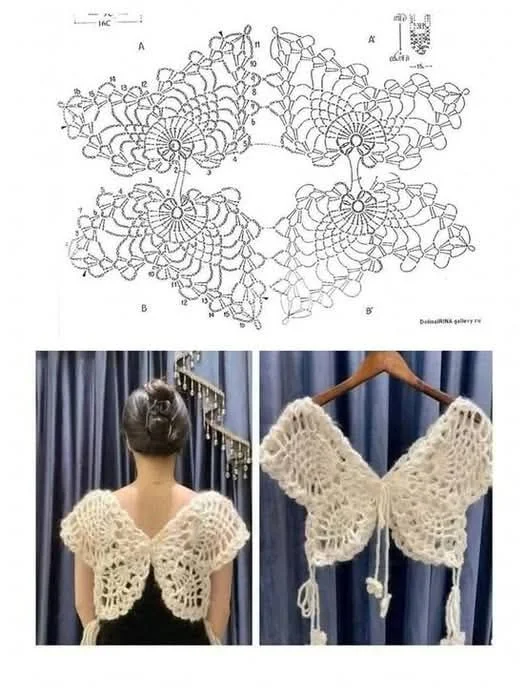
How to Make a Beautiful Butterfly Cropped Top in Crochet

Bavarian crochet stitch is a timeless and visually striking crochet technique that continues to enchant crafters around the world with its rich texture and geometric beauty. This stitch stands out for its layered, almost quilted appearance, making it a favorite for anyone who wants to create projects with depth, warmth, and personality. From beginners who are curious about textured stitches to experienced crocheters seeking something unique, the Bavarian crochet stitch offers endless creative possibilities.
The popularity of the Bavarian crochet stitch comes not only from its elegant look but also from its versatility. It can be used in blankets, scarves, cushions, bags, and even garments, adapting beautifully to different yarn weights and color combinations. Although it may look complex at first glance, this stitch is built from repeating patterns that become intuitive with practice, making it accessible to anyone willing to learn.
Another reason the Bavarian crochet stitch has remained relevant over the years is its strong visual impact. The raised motifs and structured pattern create a luxurious finish that instantly elevates handmade items. Whether you prefer soft, neutral tones or bold, contrasting colors, this stitch highlights color changes in a dramatic and eye-catching way, which is excellent for creating statement pieces.
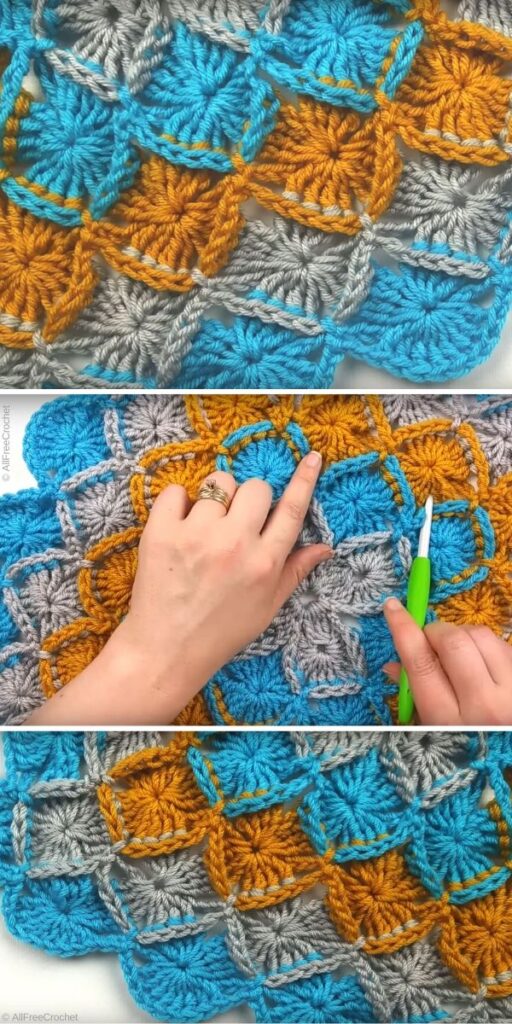
The Bavarian crochet stitch is known for its distinctive layered texture, which is created by working clusters of stitches in a specific sequence. These clusters form square-like shapes that interlock, giving the fabric a dense and cozy feel. This structure is what makes the stitch so recognizable and admired in the crochet community.
At its core, the Bavarian crochet stitch relies on basic crochet stitches such as double crochet and chain stitches. What makes it special is the way these stitches are combined and repeated across rows. Once the foundational pattern is understood, the stitch flows naturally and becomes enjoyable to work on for longer projects.
One of the most appealing aspects of the Bavarian crochet stitch is its rhythmic nature. Each row follows a predictable pattern, allowing crocheters to relax and enjoy the process. This makes it an excellent choice for mindful crafting and stress relief, especially for those who enjoy repetitive, soothing motions.
The stitch also has a rich historical feel, often associated with traditional European crochet aesthetics. While modern interpretations have expanded its use, the Bavarian crochet stitch still carries a sense of heritage and craftsmanship that adds emotional value to handmade items.
Because of its thickness and texture, the Bavarian crochet stitch is particularly suitable for warm projects. Blankets and throws made with this stitch are not only beautiful but also practical, offering insulation and durability for everyday use.
Finally, understanding how tension affects the Bavarian crochet stitch is essential. Consistent tension ensures that the geometric shapes remain even and visually pleasing, resulting in a polished and professional-looking finished piece.
Choosing the right materials is crucial when working with the Bavarian crochet stitch, as the stitch’s texture benefits greatly from appropriate yarn selection. Medium-weight yarns are often recommended because they balance structure and softness, allowing the stitch pattern to stand out clearly.
Acrylic yarns are popular for the Bavarian crochet stitch due to their affordability and wide range of colors. They hold their shape well and are easy to care for, making them ideal for blankets and home décor projects that will see frequent use.
Natural fibers like wool and cotton also work beautifully with the Bavarian crochet stitch. Wool enhances the warmth and elasticity of the fabric, while cotton provides crisp stitch definition, perfect for showcasing the intricate details of the pattern.
Color choice plays a significant role in the final appearance of the Bavarian crochet stitch. Solid colors emphasize texture, while color changes can highlight the layered design. Many crocheters enjoy experimenting with two or more colors to create striking visual contrasts.
Hook size is another important factor. Using the recommended hook size for your chosen yarn helps maintain the balance between drape and structure. A hook that is too small may make the Bavarian crochet stitch overly stiff, while a larger hook can soften the texture.
Ultimately, selecting materials for the Bavarian crochet stitch is about aligning your creative vision with practical considerations. The right combination of yarn and hook enhances both the crafting experience and the final result.
The Bavarian crochet stitch is widely used in blankets and afghans, where its thick and textured nature truly shines. These projects benefit from the stitch’s warmth and visual depth, making them perfect for cozy living spaces.
Scarves and cowls are another popular application for the Bavarian crochet stitch. The raised pattern adds interest and elegance, transforming simple accessories into standout fashion pieces that feel both modern and handcrafted.
Home décor items such as cushion covers and table runners also pair beautifully with the Bavarian crochet stitch. The structured design adds a decorative touch that complements both traditional and contemporary interiors.
For those who enjoy making gifts, the Bavarian crochet stitch offers a sense of luxury and effort that recipients often appreciate. Handmade items using this stitch feel special and thoughtfully crafted, ideal for meaningful occasions.
The stitch can also be adapted for bags and totes. Its density provides durability, while the textured surface adds a unique aesthetic that sets handmade bags apart from mass-produced alternatives.
Creative crocheters continue to explore new ways to use the Bavarian crochet stitch, blending it with other techniques or adapting it for modern designs. This flexibility ensures that the stitch remains relevant and inspiring.
Beginners approaching the Bavarian crochet stitch should start with a small practice swatch. This allows you to become familiar with the pattern without feeling overwhelmed by a large project.
Reading the pattern carefully and understanding stitch placement is essential. The Bavarian crochet stitch depends on precise positioning, and taking the time to learn this early prevents mistakes later.
Using stitch markers can be helpful when learning the Bavarian crochet stitch. They help track repeating sections and ensure that each row stays aligned and symmetrical.
Patience is key when mastering this stitch. While the Bavarian crochet stitch may seem complex initially, repetition builds confidence and muscle memory, making the process smoother over time.
Watching your tension closely is another important tip. Even tension ensures that the layered design of the Bavarian crochet stitch remains consistent and visually appealing throughout the project.
Finally, beginners should remember that mistakes are part of the learning process. Each attempt at the Bavarian crochet stitch improves skill and understanding, leading to more satisfying and polished results.
Frequently Asked Questions about Bavarian Crochet Stitch
What makes the Bavarian crochet stitch unique?
The Bavarian crochet stitch is unique because of its layered, geometric texture that creates a rich and dimensional fabric. This visual depth sets it apart from flatter crochet stitches.
Is the Bavarian crochet stitch suitable for beginners?
While it may look advanced, the Bavarian crochet stitch can be learned by beginners who are comfortable with basic crochet stitches and willing to practice.
Which yarn works best for the Bavarian crochet stitch?
Medium-weight yarns are ideal for the Bavarian crochet stitch, as they highlight the texture without making the fabric too stiff or too loose.
Does the Bavarian crochet stitch use a lot of yarn?
Yes, due to its dense and layered nature, the Bavarian crochet stitch typically uses more yarn than simpler stitches.
Can the Bavarian crochet stitch be used for clothing?
The Bavarian crochet stitch can be used for garments, especially structured or cold-weather pieces, though its thickness should be considered during design.
How long does it take to master the Bavarian crochet stitch?
Mastery depends on practice, but most crocheters become comfortable with the Bavarian crochet stitch after completing a few rows or a small project.
In conclusion, the Bavarian crochet stitch is a beautiful and versatile technique that combines texture, tradition, and creativity. Throughout this article, we explored its characteristics, materials, applications, and tips for learning, showing how this stitch can elevate crochet projects of all kinds.
If you enjoyed learning about the Bavarian crochet stitch, feel free to share your honest opinion, personal experiences, and suggestions. Your feedback helps inspire new ideas and encourages a creative exchange within the crochet community.