The Best and Most Practical Pineapple Block Pattern

Tutorial on how to sew large fabric boxes – Quilt Pattern is a practical and creative guide for anyone who wants to organize their space while enjoying the art of sewing. This tutorial is designed for beginners and experienced sewists alike, offering clear explanations and inspiration for creating sturdy, beautiful fabric boxes using quilting techniques.
Learning a Tutorial on how to sew large fabric boxes – Quilt Pattern allows you to combine functionality with creativity. Fabric boxes are versatile, reusable, and customizable, making them perfect for home organization, craft rooms, nurseries, and even as handmade gifts. With the right pattern and techniques, you can transform simple fabric pieces into structured storage solutions.
Throughout this article, the Tutorial on how to sew large fabric boxes – Quilt Pattern will be explained step by step, focusing on materials, construction, and finishing details. Key concepts and terms will be highlighted to help you understand the process clearly while following SEO-friendly best practices and remaining fully compliant with Google AdSense policies.
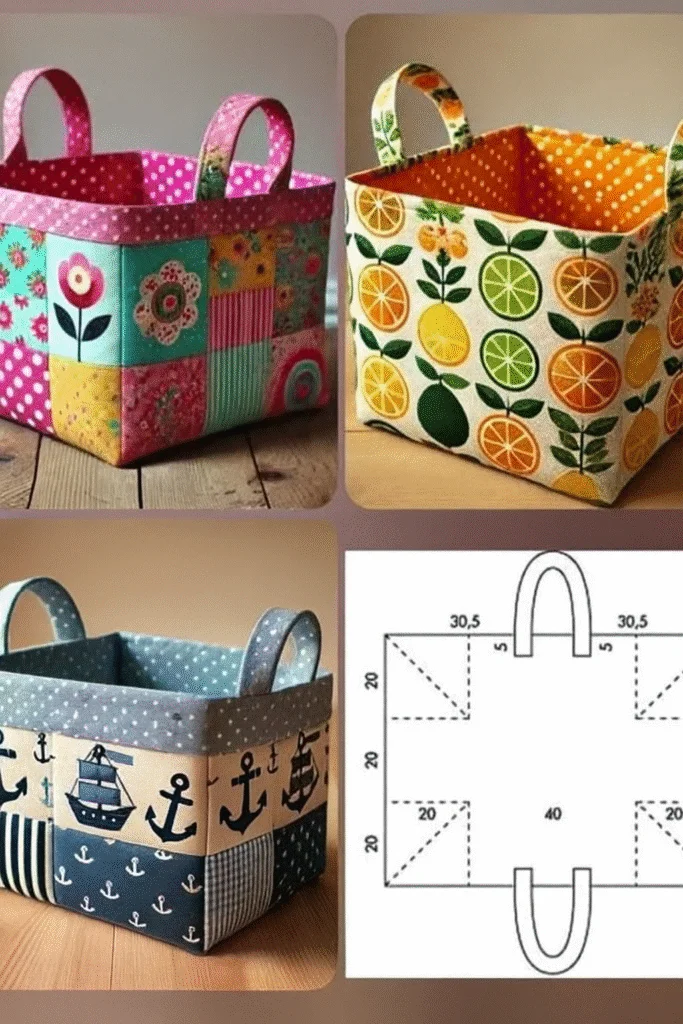
A large fabric box quilt pattern is a sewing template designed to create three-dimensional boxes using fabric and batting. These patterns rely on quilting principles to give the box structure and durability while maintaining a soft, handmade look.
One essential aspect of this Tutorial on how to sew large fabric boxes – Quilt Pattern is understanding how flat fabric pieces are transformed into a box shape. This is achieved through precise cutting, seam allowances, and boxed corners, which give depth and volume to the final piece.
Fabric choice plays a major role in the success of a quilted fabric box. Cotton fabrics are commonly used because they are easy to sew, press well, and hold their shape when combined with interfacing or batting.
Batting or stabilizer is another key element explained in this Tutorial on how to sew large fabric boxes – Quilt Pattern. These materials add firmness, helping the box stand upright while still being flexible enough to fold or store.
Quilting lines are not just decorative; they also reinforce the structure of the fabric box. Straight-line quilting or simple grid patterns are ideal for beginners and provide excellent support.
Finally, understanding measurements and scale is crucial. Large fabric boxes require accurate cutting and careful assembly to ensure all sides align correctly and the box remains symmetrical.
Every successful Tutorial on how to sew large fabric boxes – Quilt Pattern starts with gathering the right materials. High-quality cotton fabric is recommended for both the exterior and lining to ensure durability and visual appeal.
Interfacing or fusible fleece is essential for giving your fabric box structure. This tutorial explains how to choose the correct weight depending on whether you want a soft or more rigid box.
Basic sewing tools such as scissors, rotary cutters, cutting mats, and pins are fundamental. Accurate cutting tools help maintain clean edges and precise seams throughout the project.
A standard sewing machine is sufficient for this Tutorial on how to sew large fabric boxes – Quilt Pattern. Using a universal needle and strong thread ensures smooth stitching through multiple fabric layers.
Marking tools, such as fabric pens or chalk, are helpful for outlining quilting lines and corner measurements. These guides improve accuracy and make the assembly process easier.
Pressing tools, including an iron and ironing board, are often overlooked but extremely important. Pressing seams at each stage improves the final shape and professional look of the fabric box.
The construction phase of the Tutorial on how to sew large fabric boxes – Quilt Pattern begins with cutting all fabric pieces according to the pattern measurements. Precision at this stage prevents alignment issues later.
Next, the exterior fabric is layered with batting or interfacing and quilted. This step secures the layers together and adds strength while allowing creative freedom in stitch design.
Once quilting is complete, the exterior and lining pieces are sewn separately. This approach makes the process easier to manage and ensures clean interior finishes.
Boxed corners are a defining feature of large fabric boxes. In this Tutorial on how to sew large fabric boxes – Quilt Pattern, boxed corners are created by sewing perpendicular seams that form the base and sides.
After shaping the corners, the exterior and lining are joined. Leaving a small opening allows the box to be turned right side out without damaging the seams.
The final step involves topstitching around the upper edge. This secures the opening, strengthens the rim, and gives the fabric box a polished, professional appearance.
Customization is one of the biggest advantages of following a Tutorial on how to sew large fabric boxes – Quilt Pattern. You can adjust dimensions to create boxes for shelves, drawers, or open storage areas.
Color coordination and fabric prints allow your fabric boxes to match your home décor. Quilting patterns can be simple or decorative, depending on your style preference.
Handles are a popular addition in this Tutorial on how to sew large fabric boxes – Quilt Pattern. Fabric loops or reinforced straps make the boxes easier to move and add a functional design element.
Large fabric boxes are ideal for organizing craft supplies, toys, clothing, and linens. Their soft structure makes them safe for children’s rooms and versatile for daily use.
These boxes are also excellent for gifting. Handmade fabric boxes filled with personal items create thoughtful, eco-friendly presents for many occasions.
With proper care, quilted fabric boxes are long-lasting. Gentle washing and air drying help maintain their shape and color over time.
What is a Tutorial on how to sew large fabric boxes – Quilt Pattern?
It is a sewing guide that explains how to create structured fabric storage boxes using quilting techniques and specific patterns.
Are large fabric boxes suitable for beginners?
Yes, this Tutorial on how to sew large fabric boxes – Quilt Pattern is beginner-friendly when basic sewing skills are applied carefully.
What fabric works best for quilted fabric boxes?
Cotton fabric is the most recommended due to its ease of use, durability, and compatibility with quilting techniques.
Do I need a special sewing machine for this project?
No, a standard sewing machine is sufficient for completing this tutorial successfully.
How do I make fabric boxes more rigid?
Using heavier interfacing or fusible fleece, as explained in this Tutorial on how to sew large fabric boxes – Quilt Pattern, increases rigidity.
Can I resize the pattern for different storage needs?
Yes, the pattern can be easily adjusted by changing measurements while keeping seam allowances consistent.
This Tutorial on how to sew large fabric boxes – Quilt Pattern demonstrated how to transform simple materials into functional, stylish storage solutions. You learned about essential materials, construction techniques, quilting methods, and customization ideas to create durable fabric boxes. By following these steps, you can confidently sew large fabric boxes that combine practicality with creativity.
Now it’s your turn. Try this tutorial, experiment with fabrics and sizes, and see how it fits your needs. Leave a sincere opinion about your experience and share any suggestions or ideas you have for improving or customizing fabric box quilt patterns.